The Unfulfilled Dream of a Cricket Museum in Bangladesh
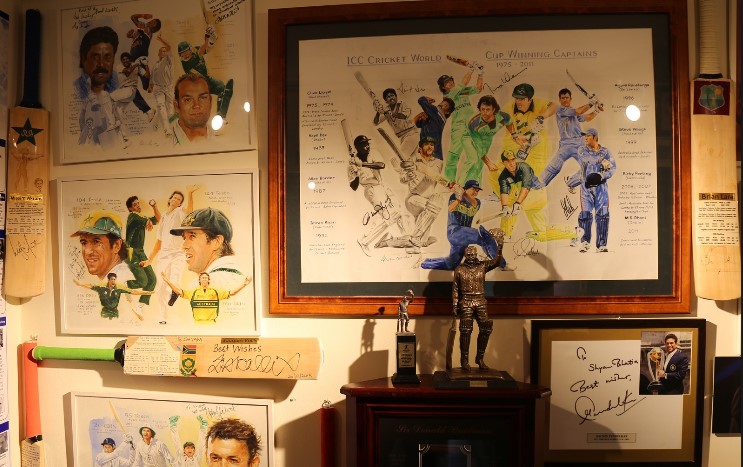
Preserving the Soul of Bangladesh Cricket
International Museum Day serves as a poignant reminder of the power of institutions to unite a divided world. Museums are more than mere storehouses of objects; they are vital cultural bridges that connect the echoes of the past with the vibrancy of the present. While Bangladesh has successfully established institutions dedicated to its liberation struggle, military history, and even its currency, there remains a glaring omission in the nation’s cultural landscape: a permanent space dedicated to cricket.
The Power of a Shared Journey
Since the country’s independence, the journey of Bangladesh cricket has been a primary source of collective joy, heartbreak, and immense national pride. This shared experience transcends lines of religion, class, and politics. However, behind these emotions lie decades of sacrifice and achievement that are currently at risk of being forgotten. Despite the Bangladesh Cricket Board (BCB) overseeing the sport’s growth, there is no proper institutional archive. For those who have spent decades collecting memorabilia, the slow erosion of this history is a cause for significant concern.
Global Standards in Cricket Heritage
The global precedent for preserving cricketing heritage is well-established. Since the Marylebone Cricket Club (MCC) opened its celebrated museum at Lord’s in 1953, nearly every Test-playing nation has invested in memory palaces to honor their sporting heroes. From the iconic Bradman Museum in Australia to the newly established Sri Lanka Cricket Museum, the international community views these institutions as essential to the sport’s identity.
Private initiatives have further bridged this gap. In Colombo, the Cricket Club Cafe proudly displays Sir Garry Sobers’ historic 1968 bat alongside memorabilia from titans like Sachin Tendulkar. In Dubai, industrialist Sham Bhattia houses an unrivaled collection that includes artifacts from our own Shakib Al Hasan. Meanwhile, in Kolkata, the Fanatic Sports Museum brings history within reach of the public. In these global settings, the absence of an institutional presence from Bangladesh is deeply felt.
The Invisible History
When fans visit the world’s great cricket museums, the representation of Bangladesh is limited to scattered, solitary items. At Lord’s, our rich history is represented by a single bat—the one Aminul Islam Bulbul used to score his historic century in our debut Test. In New Zealand, records of legendary partnerships between Shakib Al Hasan and Mushfiqur Rahim hang on foreign walls. These are the moments that caused millions of Bangladeshis to leap from their chairs in pride, yet they are commemorated in London, Wellington, and Dubai, but not in Dhaka.
Attempts at Bridging the Gap
Efforts to fill this void have been passionate but temporary. Over the years, exhibitions at the Russian Cultural Centre, the National Museum, and various festivals hosted by the Bangladesh Cricket Supporters’ Association (BCSA) have showcased extraordinary treasures. These included signed bats from Tendulkar, Lara, and Sobers, as well as historic match gear from heroes like Tamim Iqbal and modern icons like Litton Das and Shanto. While these events were met with overwhelming public response, the reality remains that temporary galleries cannot safeguard a lasting legacy. Once the doors close, these invaluable pieces return to cardboard boxes, hidden from the public eye.
A Call to Action for the Future
Establishing a permanent museum is a challenge that requires institutional will, meticulous research, and strategic financial planning. It could start as a dedicated wing at the Sher-e-Bangla National Stadium and eventually sustain itself through tourism and ticketing. The material is there, and the passion is evident; what is missing is the political will to begin the project.
To the leadership of the BCB and the Ministry of Youth and Sports, the message is clear: the time for action is now. We have the history, we have the artifacts, and we have the curators ready to tell the story. Much like the promise made by Pablo Picasso, who once said, “Give me a museum and I will fill it,” there is a community of collectors and historians ready to transform this dream into a national treasure. It is time to give Bangladesh a home for its cricketing spirit.