Wasim Jaffer Slams Selectors Over Mohammed Shami Snub for Afghanistan Series
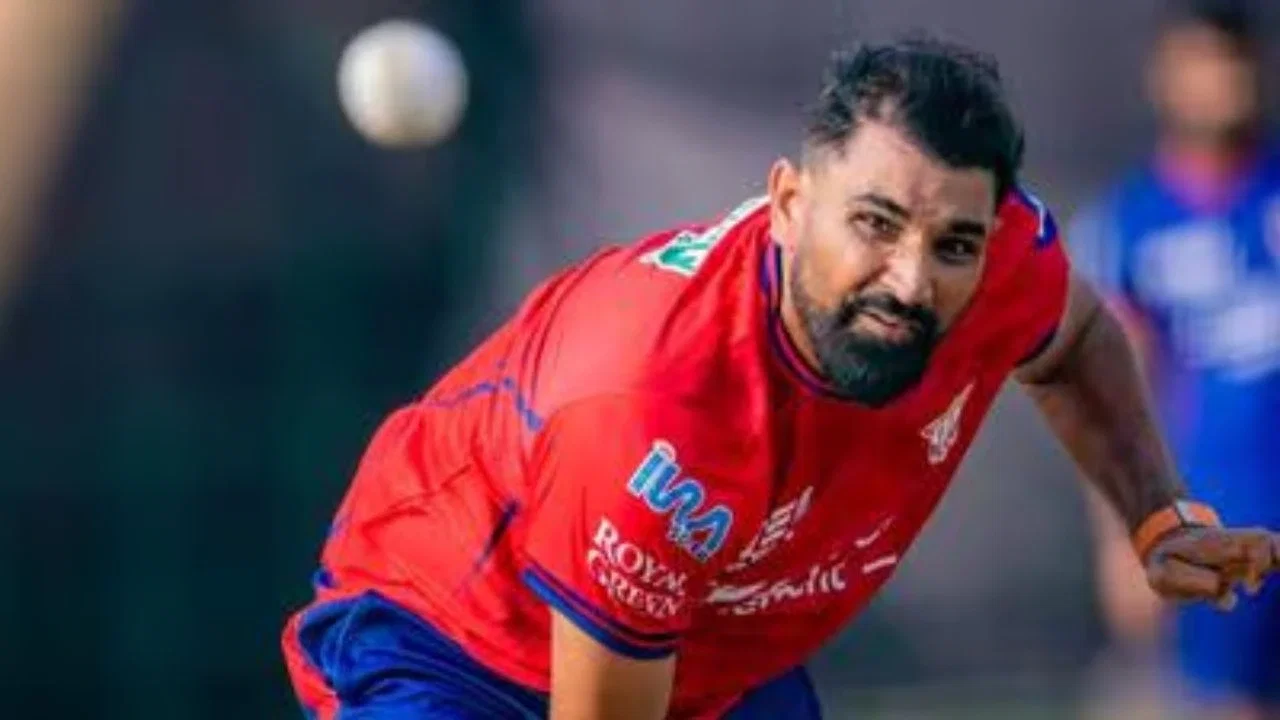
The Controversy Surrounding Mohammed Shami‘s Exclusion
The announcement of the Indian squad for the upcoming one-off Test and three-match ODI series against Afghanistan has stirred significant controversy within the cricketing fraternity. Leading the chorus of criticism is former Indian opener Wasim Jaffer, who has publicly lambasted the selection committee, headed by Ajit Agarkar, for the omission of veteran pacer Mohammed Shami.
As the squad list was finalized on Tuesday, several notable decisions grabbed headlines, but none seemed as contentious as the snubbing of Shami, a bowler who has been a pillar of strength for the Indian side across formats for years. While the selectors pointed towards fitness concerns as the primary driver for this decision, many observers, including Jaffer, are not convinced by the official narrative.
The Selection Panel’s Stance
Addressing the media following the squad announcement, Chairman of Selectors Ajit Agarkar clarified the rationale behind Shami’s absence. Agarkar noted that the information available to the committee suggested that Shami’s body was currently only prepared to handle the workload of T20 cricket, specifically limited to four overs a day. He stated that there was no substantive discussion regarding his inclusion for the longer formats.
Shami’s recent form in the IPL 2026 season has been modest, with 10 wickets in 12 matches at an average of 41 and an economy rate of 8.80. However, his supporters argue that his experience and proven track record far outweigh a single season of IPL performance, particularly given his pedigree in Test and ODI cricket.
Wasim Jaffer’s Strong Critique
Wasim Jaffer did not mince his words while discussing the issue on his YouTube channel. Expressing deep frustration with the selection process, Jaffer labeled the justifications as ‘rubbish.’ He emphasized the disparity between Shami’s domestic contributions and his treatment by the national selectors.
Key arguments raised by Jaffer include:
- Proven Domestic Performance: Jaffer highlighted that Shami has consistently performed throughout the domestic season, taking over 40 wickets and single-handedly guiding Bengal to the Ranji Trophy semi-finals.
- Disrespect to a Legend: Jaffer argued that a player of Shami’s stature—who was instrumental in taking India to the 2023 World Cup final—deserves more respect and transparency from the board.
- Allegations of Double Standards: Perhaps the most damning part of Jaffer’s critique was his comparison between Shami and other star players like Jasprit Bumrah. He questioned whether the selectors would apply the same rigid fitness standards to Bumrah, suggesting that senior players of a certain caliber should be treated with more consistency.
A Deeper Look at the Squad Dynamics
The selection process for the Afghanistan series was marked by several other strategic shifts. The team will be led by Shubman Gill, while KL Rahul has taken over as the vice-captain of the Test team. Notably, Rishabh Pant has been excluded from the ODI setup entirely.
Furthermore, the squad reflects a transition phase, with the inclusion of younger talents like Gurnoor Brar and Harsh Dubey across both formats, while Manav Suthar has been drafted into the Test squad. The resting of key figures like Jasprit Bumrah, along with the fitness-dependent inclusion of Rohit Sharma and Hardik Pandya, highlights a cautious approach by the management as they look toward the future.
Is Fitness the Real Issue?
Jaffer’s argument centers on the idea of honesty in communication. He suggested that if the selectors have moved on from Shami, it would be fairer to state that openly rather than hiding behind fitness reports that contradict the player’s domestic output. He believes that asking a player to prove their fitness in domestic cricket and then ignoring those performances creates a confusing and demotivating environment for veteran athletes.
As the Indian team prepares to face Afghanistan, all eyes will be on how the bowling attack performs in the absence of one of its most experienced leaders. Whether the selectors’ decision proves to be a masterstroke in managing player workloads or a missed opportunity to utilize a high-impact bowler remains to be seen. For now, the narrative remains firmly fixed on the communication gap between the decision-makers and the stalwarts of the game.
Ultimately, the debate highlights the ongoing challenge for the BCCI: balancing the introduction of fresh talent with the need to treat senior icons with the dignity their contributions to Indian cricket deserve.