Latham, Conway put NZ on cruise control in sweltering conditions – Day 1 Report
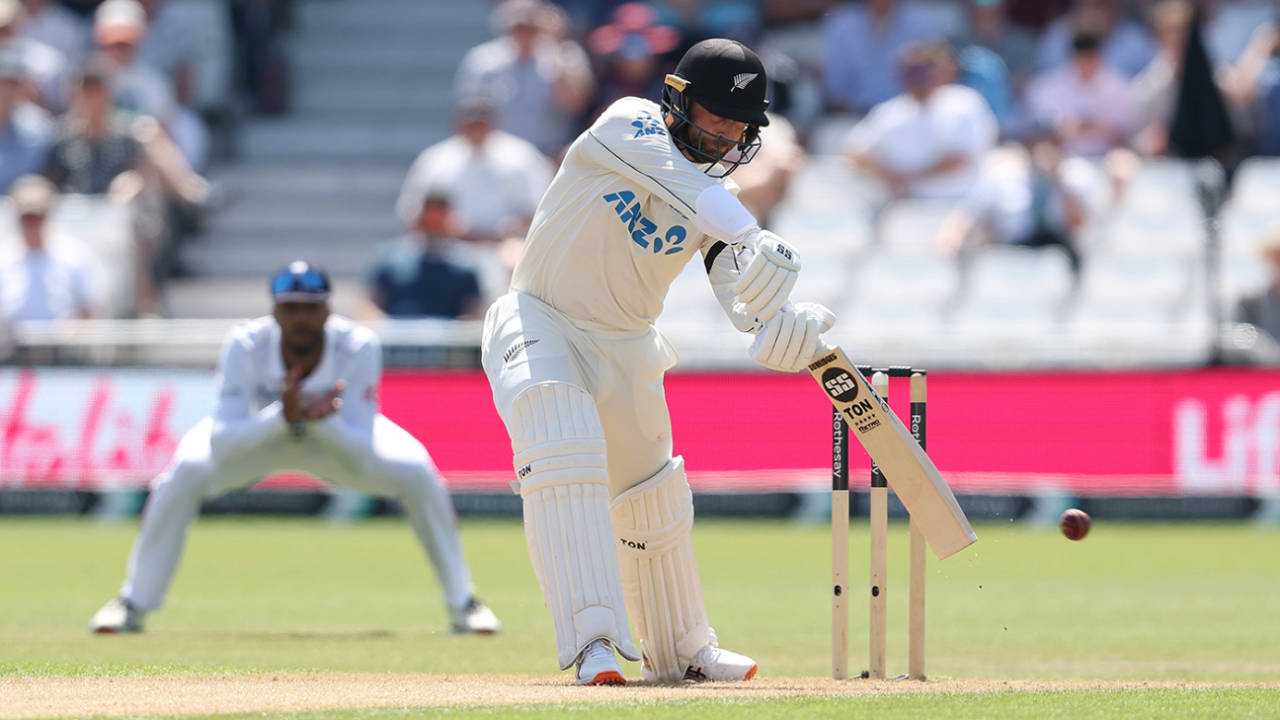
New Zealand Dominates Morning Session as Latham and Conway Shine
In a pivotal series decider at Trent Bridge, New Zealand seized the early initiative on a sweltering opening day, reaching 108 for no loss by lunch. The morning belonged emphatically to the visiting side, with openers Tom Latham and Devon Conway demonstrating exceptional composure and skill. Their unbeaten partnership not only set a strong foundation but also provided a vital psychological boost, especially after New Zealand faced unexpected pre-match upheavals.
Captain Tom Latham, stepping up in challenging circumstances, won a crucial toss and elected to bat first. This decision proved astute, allowing his side to capitalize on a flat, true deck under a blazing sun. With temperatures forecast to soar throughout the day, the opportunity to post a substantial first-innings total and wear down England’s bowling attack was paramount. By the lunch break, Latham, with a well-compiled 60 not out, and Conway, solid on 45 not out, had meticulously built their partnership, leaving England’s seamers toiling with limited success.
Early Setbacks and Strategic Response
New Zealand’s preparations for the third Test were disrupted by the last-minute loss of two key performers from their commanding 253-run victory at The Oval. Matt Henry, who was instrumental in the previous match with an impressive haul of 11 wickets, was sidelined due to a calf injury. Adding to the challenge, Glenn Phillips, fresh from scoring his maiden Test century at The Oval, was also unavailable, suffering from a side strain. Both players reportedly experienced discomfort during their exertions in the previous encounter, highlighting the physical toll of Test cricket.
In response, New Zealand called up Mitchell Santner and Ben Sears to fill the void, with Blair Tickner also joining the squad as a like-for-like replacement for Kyle Jamieson, who was rested as part of his ongoing recovery from a back stress-fracture. These changes underscore the depth and adaptability required at the highest level, and Latham’s leadership in navigating these challenges was evident from the outset.
England’s Struggle for Breakthroughs
Despite the commitment of England’s bowling unit, breakthroughs proved elusive on a pitch that offered little assistance to the quicks. The typically fast outfield at Trent Bridge ensured that good shots were handsomely rewarded, particularly towards the short West Bridgford Road boundary. Early in the session, England’s captain, Ben Stokes, signaled his strategic intent by introducing the recalled spinner Shoaib Bashir into the attack as early as the eleventh over. Bashir bowled an extended spell of nine overs before lunch, marking the most overs bowled by an England spinner in the first session of a home Test since 2013, a clear indication of the home side’s desire to find a way through the resolute Kiwi openers.
Missed Opportunities and Stokes’ Gambit
England’s closest sniff at a wicket came in Jofra Archer’s third over. Following a shrewd tactical reshuffle of the slip cordon by Ben Stokes, who moved third slip to a second gully, Archer found Latham’s edge. However, the ball sped cleanly through the newly created gap, with Harry Brook’s desperate dive from second slip proving futile. Such fine margins can often define a session, and this particular moment encapsulated England’s frustration.
Stokes himself took the ball in the second hour, much to the fervent applause of the Trent Bridge faithful. The stage seemed set for a dramatic intervention, reminiscent of Ian Botham’s heroics against the same opponents 40 years prior. However, Devon Conway swiftly deflated the atmosphere, leaning into Stokes’ second delivery and drilling it straight down the ground for the fifth of his seven boundaries in the session. This assertive stroke highlighted the confidence flowing through the New Zealand camp.
A Partnership Forged in Resilience
Both Latham and Conway had experienced a relatively lean tour prior to this match, having not registered a single half-century between them in their eight previous innings. Their partnership, therefore, was not just about accumulating runs but also about regaining form and confidence at a crucial juncture. Latham, in particular, looked in superb touch, reaching his half-century off just 65 balls with a blend of elegant drives and solid defense. Conway, equally impressive, was just five runs shy of his own fifty at the break, demonstrating a measured approach that complemented his captain’s more assertive style.
The success of this opening stand was the ideal response to the significant personnel losses. It allowed New Zealand to absorb the impact of Henry and Phillips’ absence, providing a platform from which the middle order can build. With temperatures expected to climb even higher in the coming days, the decision to bat first and the successful execution of that plan by Latham and Conway has put New Zealand in a commanding position, laying the groundwork for what could be a decisive first-innings total and a significant advantage in the heat.