BCCI Explains Why Ahmedabad, Not Bengaluru, Will Host IPL 2026 Final
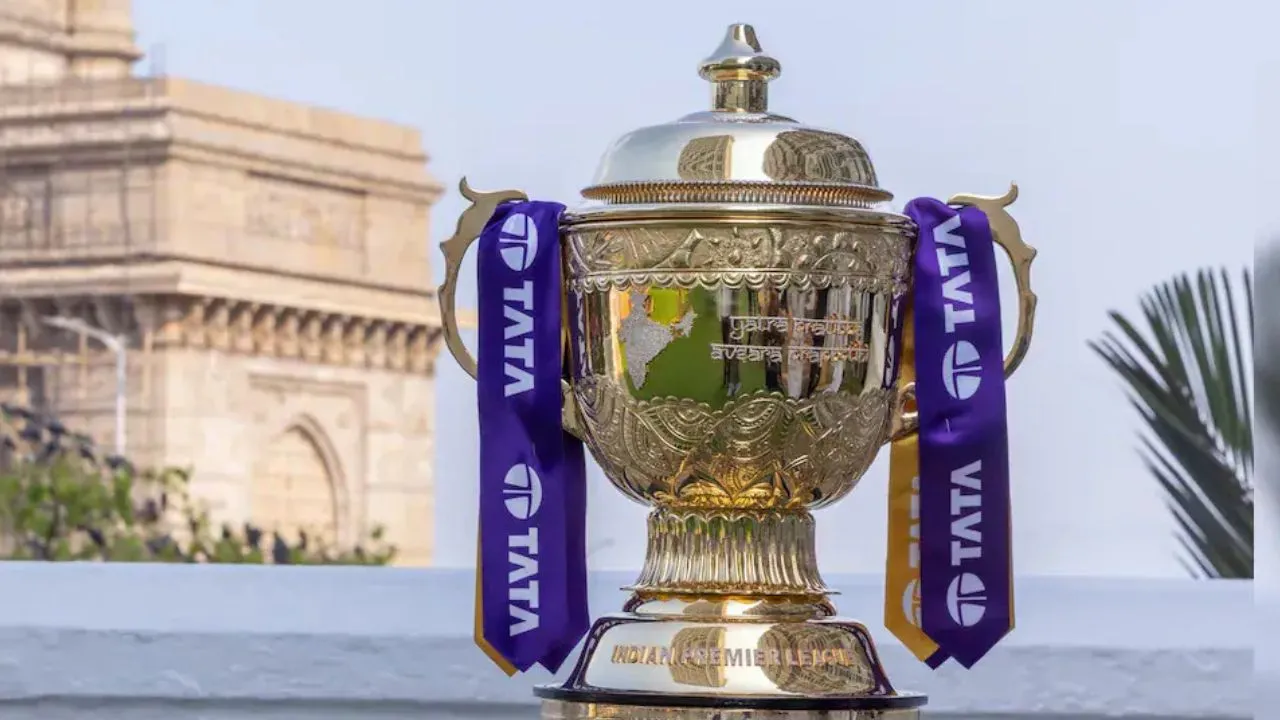
The Controversy Behind the IPL 2026 Venue Selection
The landscape of the Indian Premier League (IPL) is constantly evolving, but few decisions stir as much debate as the selection of venues for the prestigious play-off stages. The Board of Control for Cricket in India (BCCI) recently made a significant decision regarding the IPL 2026 schedule, opting to bypass the M. Chinnaswamy Stadium in Bengaluru for the play-off matches. Instead, the BCCI has designated Dharamshala, New Chandigarh, and Ahmedabad as the hosts for the final four games of the season.
Why Bengaluru Was Overlooked
Traditionally, there is an unwritten convention that the defending champions are granted the privilege of hosting play-off matches. Given that the Royal Challengers Bengaluru (RCB) entered the 2026 season as the defending champions, it was widely anticipated that the M. Chinnaswamy Stadium would host at least one, if not more, of the high-stakes knock-out encounters. The exclusion of this iconic venue raised eyebrows among fans and experts alike.
Reports suggest that the BCCI engaged in extensive communication with the Karnataka State Cricket Association (KSCA) prior to finalizing the venues. However, the final choice prioritized venues like the Narendra Modi Stadium in Ahmedabad, which will host the grand finale. The rationale behind this decision centers on a critical logistical and administrative issue: ticket distribution.
Ticket Allocation: The Core of the Dispute
According to recent reports, the BCCI’s primary objective is to maximize ticket availability for the general public. A major point of friction between the BCCI and the KSCA was the number of complimentary tickets requested by the state association. In a stadium with a capacity of roughly 35,000, it was reported that the KSCA requested approximately 30,000 tickets, leaving a meager 5,000 for the BCCI to distribute to the general public and other stakeholders. This imbalance made it nearly impossible for the BCCI to justify holding the final in Bengaluru, citing an obligation to ensure fans have access to the biggest game of the year.
BCCI Secretary Clarifies the Protocol
BCCI Secretary Devajit Saikia addressed the media in Guwahati to clear the air regarding these protocols. He emphasized that there is a standard operating procedure in place for all state hosting associations. According to Saikia, the established protocol mandates that each state association receives 15% of the total stadium capacity as complimentary tickets.
“The normal protocol is that all state hosting associations get 15% of the total capacity as complimentary tickets,” Saikia explained. “However, we have come to know from various sources that during the hosting of the IPL league matches, the Karnataka State Association has been taking much more than that 15% quota.”
This discrepancy in ticket management appears to be the deciding factor that prompted the BCCI to look elsewhere. By shifting the venue to Ahmedabad, the BCCI is ensuring that a significantly larger portion of the stadium’s massive capacity is accessible to the broader fan base rather than being locked up by local administrative demands.
Looking Ahead at the IPL 2026 Playoffs
While the KSCA may feel aggrieved, the BCCI remains firm in its stance that the integrity of the spectator experience—specifically the availability of tickets—is paramount. The selection of Dharamshala, New Chandigarh, and Ahmedabad reflects a strategy of rotating high-profile matches across different regions, provided the hosting venues can adhere to the board’s mandates regarding transparency and ticket distribution.
As the 2026 season reaches its climax, the focus now shifts entirely to the action on the pitch. Regardless of where the games are played, the intensity of the IPL remains unmatched, and the transition to the Narendra Modi Stadium for the final promises a spectacle befitting the world’s most lucrative cricket league. For the fans, the priority remains the quality of the competition, even as administrative hurdles continue to shape the logistical side of the sport.