BCCI Refuses IPL Workload Intervention Amidst Varun Chakravarthy Injury Controversy
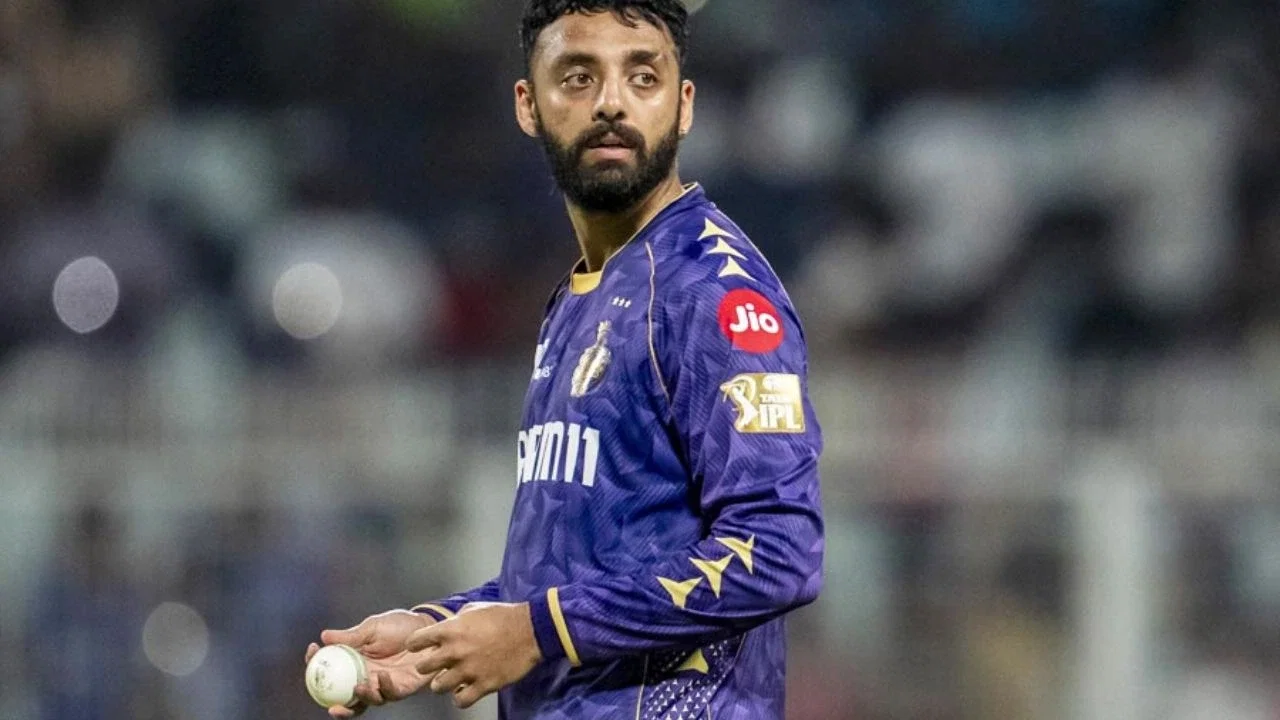
The Board of Control for Cricket in India (BCCI) has unequivocally declared its position against intervening in the bowling workloads of players participating in the Indian Premier League (IPL). This official stance, articulated by BCCI Secretary Devajit Saikia, comes at a time when concerns over player fitness and injury management during the high-octane tournament are at an all-time high, particularly highlighted by the recent controversy surrounding Kolkata Knight Riders spinner Varun Chakravarthy.
BCCI Maintains Hands-Off Approach on IPL Player Workload
In a definitive statement, BCCI Secretary Devajit Saikia clarified that the board would not dictate the bowling or overall physical workloads of Indian team members while they are engaged with their respective IPL franchises. This position underscores the autonomy granted to franchises in managing their squads, even for centrally contracted players who are crucial to the national setup. The decision has sparked considerable debate, especially as several prominent Indian bowlers have reportedly been playing through injuries during the current IPL season.
The Varun Chakravarthy Controversy: A Case in Point
The spotlight recently intensified on Varun Chakravarthy, the mystery spinner for Kolkata Knight Riders. Reports suggest that Chakravarthy has been contending with a hairline fracture on his left toe, an injury he purportedly sustained during KKR’s match against Sunrisers Hyderabad on May 3. Remarkably, Chakravarthy was named Player of the Match in that very game, showcasing his ability to perform even under duress. However, the severity of his injury became evident when he was forced to miss the crucial encounter against Royal Challengers Bengaluru on May 13. Subsequent observations of him limping in and out of stadiums have fueled speculation that the spinner is far from fully fit, raising questions about player welfare and the intense demands of the IPL schedule.
Broader Concerns: Injuries Plague Key National Players
Chakravarthy’s situation is not an isolated incident. The IPL 2026 season has seen a worrying trend of national team players battling physical ailments. Andrew Leipus, Head of Sports Science for Punjab Kings, recently commented on the physical restrictions affecting Arshdeep Singh, suggesting these issues were contributing to his inconsistent performances. Similarly, Mumbai Indians Head Coach Mahela Jayawardene had previously revealed that ace pacer Jasprit Bumrah was carrying a “slight niggle” picked up during the T20 World Cup, which might have impacted his performance in the initial phase of the tournament where he went wicketless in the first five games. These instances collectively paint a picture of national assets pushing through discomfort, a scenario that prompts scrutiny over long-term player health and national team readiness.
BCCI’s Stance: Franchise Autonomy vs. National Interest
In a detailed conversation with TOI, BCCI Secretary Devajit Saikia elaborated on the board’s rationale. “We can’t interfere in the functioning of the franchises by trying to control player workload and fitness in the IPL,” Saikia stated definitively. He clarified the existing protocol, emphasizing that during the IPL window, the responsibility for player management, including fitness and workload, primarily rests with the respective franchises. While the Centre of Excellence (CoE) does maintain a degree of monitoring for centrally contracted players, Saikia reiterated that direct intervention into daily operations or playing decisions of franchises is beyond the board’s purview during the league. “There is monitoring, but we cannot interfere much during the IPL,” he added, highlighting the delicate balance between administrative oversight and respecting franchise independence.
Fitness as a Paramount Criterion for National Selection
Despite the hands-off approach during the IPL, Saikia provided strong reassurance regarding the national team’s welfare. He affirmed that when it comes to national selection, the BCCI exercises a much greater degree of control, with player fitness remaining a non-negotiable and key criterion. “We are giving franchises the freedom to take decisions on their players. However, fitness remains a key criterion when it comes to national selection,” Saikia emphasized. This policy was recently put into practice during the announcement of the Indian squads for the one-off Test and the three-match ODI series against Afghanistan. Noteworthy omissions and conditional selections underscore the board’s commitment to prioritizing player fitness for international assignments.
- Ravindra Jadeja: The all-rounder was rested from these squads, having missed several matches for Rajasthan Royals in IPL 2026 due to fitness concerns. This decision reflects the BCCI’s cautious approach to managing key players.
- Mohammed Shami: The experienced pacer was also overlooked for these squads. Selectors reportedly harbored doubts about his current fitness level for bowling more than four overs in a day, indicating a strict adherence to fitness benchmarks even for seasoned campaigners.
- Rohit Sharma and Hardik Pandya: Both captains, who have faced injury struggles in IPL 2026, were selected in the ODI squad, but crucially, their inclusion was made subject to fitness. This conditional selection highlights the board’s readiness to make last-minute adjustments if fitness parameters are not met.
Implications for Player Welfare and Future Strategies
The BCCI’s stance, while respecting franchise autonomy, brings to the fore the inherent tension between the demands of a high-stakes league like the IPL and the long-term fitness and availability of national players. The policy clearly shifts the onus of immediate player management during the IPL onto the franchises, while the national board reserves the right to make selection decisions based on international fitness standards. This approach necessitates a collaborative effort between players, franchises, and the national board to ensure optimal player health without compromising competitive integrity. The ongoing dialogue around player workload and injury management will undoubtedly continue to shape cricketing policies, ensuring India’s top talent remains fit and firing for both domestic and international challenges.