End of the Rohit Sharma Era: India’s Path to the 2027 ODI World Cup
The Changing of the Guard in Indian ODI Cricket
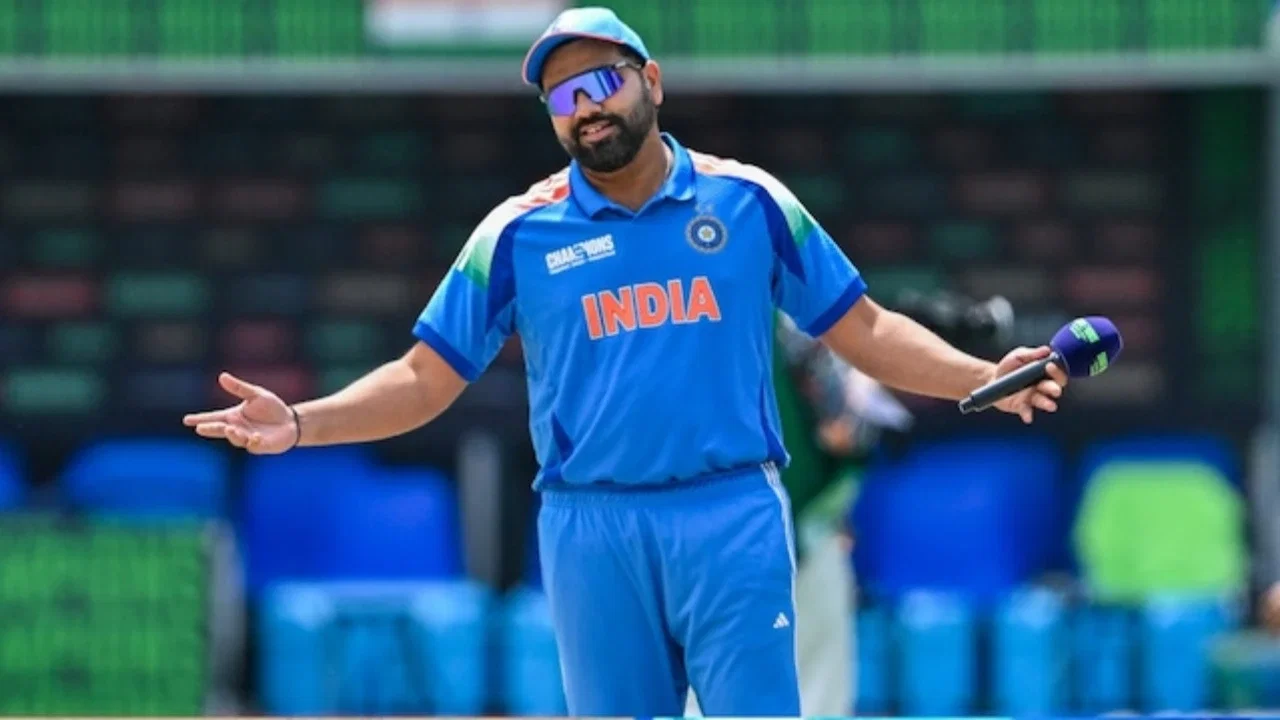
The landscape of Indian cricket is on the brink of a significant transformation. As the cricketing world looks ahead to the 2027 ODI World Cup, questions surrounding the longevity of veteran opener Rohit Sharma have taken center stage. Recent reports indicate that the BCCI and the national selectors are adopting a proactive approach, identifying potential successors to ensure a smooth transition rather than facing a last-minute shake-up.
The Future Beyond Rohit Sharma
Senior cricket journalist G.S. Vivek recently reported on X that Rohit Sharma is unlikely to participate in the 2027 ODI World Cup. This revelation has shifted the focus toward the upcoming England tour, which is expected to be a pivotal factor in determining the veteran’s international future. By the time the next ODI World Cup arrives, Rohit will be 40 years old, prompting the BCCI to prioritize long-term planning, fitness, and workload management.
While Rohit remains a titan of the format, the selectors have already begun evaluating backup options to pair with Shubman Gill at the top of the order. Yashasvi Jaiswal has emerged as the immediate frontrunner for the opening slot, but the talent pool extends further. Ruturaj Gaikwad and Ishan Kishan have also been earmarked as critical backups for the upcoming ODI cycle, signaling a clear shift toward a younger batting core.
Fitness and Workload Management
The uncertainty regarding Rohit’s future is not merely a strategic decision but is also deeply linked to physical fitness. The Mumbai Indians opener encountered a hamstring injury during the 2026 IPL season, which forced him to miss several matches. His subsequent usage as an Impact Player—avoiding the field for the duration of the match—has raised concerns among selectors about his ability to sustain the physical demands of international ODI cricket.
Currently, while Rohit has been named in the squad for the upcoming series against Afghanistan, his participation remains subject to medical clearance. This focus on durability is essential for the BCCI as they look to build a side capable of competing at the highest level in 2027.
Rohit Sharma’s Illustrious Legacy
Regardless of the timeline for his retirement, Rohit Sharma’s contribution to the ODI format is nothing short of legendary. Since his debut in 2007, he has amassed 11,577 runs in 282 matches. His average of 48.84 and strike rate of 92.74, combined with 33 centuries, establish him as one of the most prolific batters in history. His iconic 264 against Sri Lanka remains the highest individual score in the history of the format.
His performance in ICC World Cups is even more remarkable. Over the 2015, 2019, and 2023 editions, he accumulated 1,575 runs in just 28 matches, maintaining a staggering average of 60.57. These statistics serve as a reminder of the massive void his eventual departure will create, necessitating the careful selection of his successors.
Leadership Transitions in T20Is
Beyond the ODI format, the leadership structure in T20Is is also witnessing a shift. Reports suggest that Suryakumar Yadav is set to continue as the captain for the upcoming tours of Ireland and England. Furthermore, the BCCI is grooming Sanju Samson as a potential future leader for the next ICC cycle, with an eye toward the 2028 Olympics and the subsequent T20 World Cup.
As the Indian team enters this phase of recalibration, the focus remains on blending experienced leadership with the explosive potential of the next generation. For fans and analysts alike, the coming months will be crucial in watching how these young talents adapt to the pressures of replacing one of the game’s greatest icons.