Sachin Tendulkar proposes massive T20 and IPL change; wants Impact Player rule scrapped
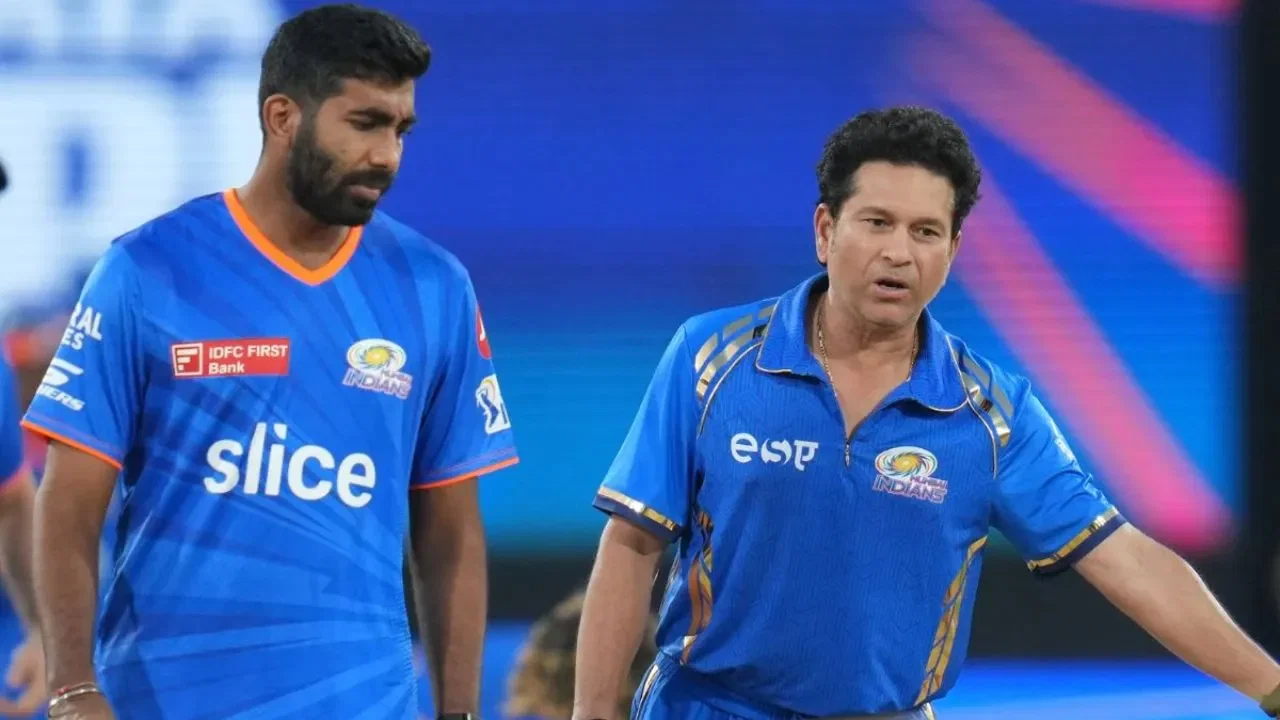
Restoring Equilibrium in T20 Cricket
Throughout his illustrious career, Sachin Tendulkar has witnessed the sport of cricket undergo a seismic shift in dynamics, strategy, and tempo. From the traditional demands of Test cricket to the high-octane frenzy of modern T20 leagues, the legendary Indian batter has seen it all. Yet, even as one of the greatest proponents of attacking batting, Tendulkar has expressed significant concern regarding the current state of T20 cricket. He believes the game has tilted too far in favor of the batters, leaving bowlers as mere spectators in a run-fest.
The Case Against the Impact Player Rule
A major point of contention for Tendulkar is the introduction of the ‘Impact Player’ rule in the Indian Premier League (IPL). This rule, which allows teams to substitute a player mid-match to bolster either their batting or bowling lineup, has faced increasing scrutiny from experts and former players. Tendulkar has joined this chorus of dissent, suggesting that the rule does not serve the long-term health of the format.
By allowing teams to swap in specialized batters or bowlers, the strategic depth of the game is arguably diluted, and the inherent disadvantage of having a weaker bowling unit is often papered over. Tendulkar argues that for the sport to remain competitive and intellectually engaging, the ‘Impact Player’ rule should be scrapped entirely, both in the IPL and across global T20 leagues.
Empowering the Bowlers: A Five-Over Proposal
Tendulkar’s critique is not merely about removing existing rules; it is about proposing constructive changes that give bowlers a genuine fighting chance. Recognizing that certain bowlers often struggle to make an impact in the short span of their four-over quota, the Master Blaster has suggested a tactical shift. He proposes that at least one bowler per innings should be permitted to bowl five overs instead of the standard four. This change would not only provide a secondary opportunity for a bowler who might be having a difficult spell but also reward the captain’s confidence in their strike bowlers, potentially increasing the frequency of wicket-taking opportunities.
Refining the Powerplay Structure
Beyond individual quotas, Tendulkar has scrutinized the powerplay rules that currently dictate the early stages of a T20 match. Currently, the powerplay restrictions heavily favor the batting side, allowing them to capitalize on fielding limitations. To address this, he suggests that the powerplay should be split into two distinct halves. Furthermore, he advocates for a ‘bowler-friendly’ powerplay segment of at least two overs, where the fielding side is granted an additional fielder on the boundary. This adjustment would force batters to show more technical caution and reward bowlers who execute precise deliveries under pressure.
The Future of T20 Strategy
The suggestions put forward by Tendulkar reflect a deeper desire to preserve the skill-based essence of cricket. In an era where boundaries and strike rates dominate headlines, the focus often drifts away from the art of bowling. By implementing these structural changes, the format could see a resurgence in tactical battles, where the contest between bat and ball is restored to a more equitable footing. As the IPL and other T20 leagues look toward the future, these proposals offer a compelling blueprint for evolution that prioritizes the integrity of the sport over mere entertainment value. Whether the governing bodies will embrace these bold reforms remains to be seen, but the conversation has certainly been shifted by one of the most respected voices in the history of the game.
Conclusion
Sachin Tendulkar’s vision for the future of cricket is clear: it must be a sport that rewards excellence across all disciplines. By removing rules that favor one-sided dominance and introducing mechanisms that support bowlers, T20 cricket can ensure it remains a test of skill rather than just a contest of power hitting. His influence on the game remains as potent as ever, and his call for reform serves as a reminder that even in the shortest format, the spirit of cricket must be protected.