PCB may fly players to USA for power-hitting training to boost white-ball cricket
A New Strategy for Pakistan Cricket
The Pakistan Cricket Board (PCB) is currently assessing the viability of sending a select group of cricketers to the United States. This initiative is part of a broader program aimed at exploring new skillsets within a fresh, international learning environment. While final arrangements are still being formalized and the definitive list of players has not yet been confirmed, Pakistan white-ball coach Mike Hesson has officially acknowledged that such a plan is firmly in the works.
Hesson highlighted the necessity of exposing players to diverse methodologies, particularly in the realm of power-hitting. By facilitating a stay of up to four months, the board hopes to provide these athletes with fresh perspectives that are difficult to replicate in a domestic setting. This international exposure is intended to benefit those recovering from long-term injuries as well as promising talents who require a different environment to push their boundaries.
Addressing the Fitness Culture
Beyond technical skills, this potential initiative signals a significant shift in how the PCB manages the overall fitness and medical culture of its national team. For years, there have been concerns regarding the standard of conditioning within Pakistan cricket, and this latest move serves as a clear indication that the board is committed to an overhaul. The appointment of Dr. Javed Mughal, a UK-based physiotherapist, as the Director of Sports and Exercise Medicine, is central to this transformation.
Dr. Mughal has been vocal about his philosophy, emphasizing that fitness is a non-negotiable component of professional sport. Working in tandem with PCB chairman Mohsin Naqvi, the medical team has introduced a robust and repeatable testing battery designed to screen all players. Hesson noted that the collaboration between the coaching staff and Dr. Mughal is vital to ensuring that the players are not just physically prepared, but also correctly assessed according to modern international standards.
The Focus on Future Prospects
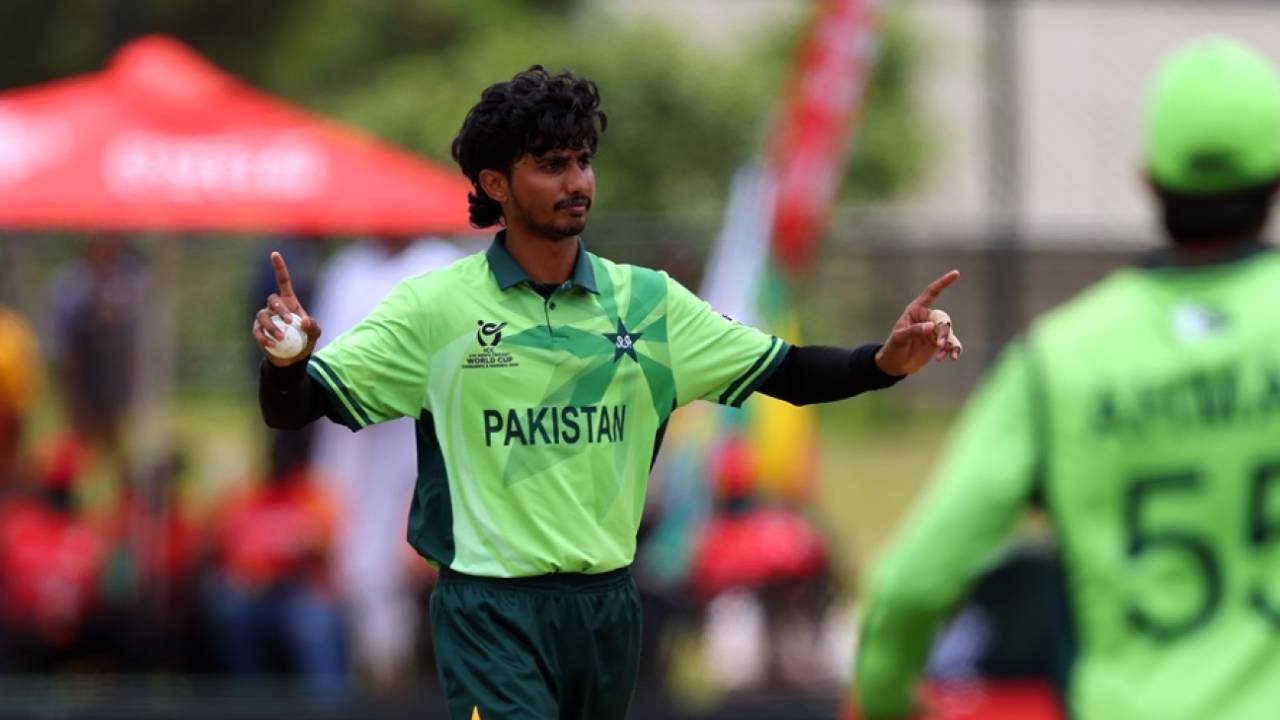
A name currently under consideration for this unique training opportunity is the 18-year-old fast bowling sensation, Ali Raza. Widely regarded as one of Pakistan’s most exciting white-ball prospects, Raza has already made headlines with his performances in the U19 Asia Cup and the Pakistan Super League (PSL). His ability to maintain pace and take crucial wickets—such as his impressive 4-42 against India and a memorable PSL hat-trick—has put him firmly on the radar for future international duty.
However, the board is prioritizing his long-term health and workload management. Coach Mike Hesson emphasized the difficulty of sustaining high-end pace throughout multiple spells in international cricket. He explained that as the pressure of the game mounts, so too does the physical strain on a young bowler’s body. The objective for Raza is not just to showcase his current talent, but to build the physical resilience required to survive the rigors of the professional game.
Moving Beyond Domestic Boundaries
Hesson expressed an optimistic view regarding the decision to look beyond domestic borders. He pointed out that the traditional mindset of keeping players localized might be limiting their potential. By integrating international expertise—specifically in the US for power-hitting—the PCB is opening doors to advanced sports science and innovative coaching techniques that could prove decisive in white-ball formats.
The collaboration is described as a multi-faceted approach. It is not merely a strength and conditioning exercise; it is an integrated attempt to harmonize fitness, tactical power-hitting, and elite recovery strategies. As the National Cricket Academy (NCA) continues to evolve, this international partnership is expected to serve as a cornerstone for developing the next generation of Pakistan cricketers. While the logistics are still being finalized, the message from the management is clear: to compete at the highest level, the team must be willing to learn from the best, wherever they may be in the world.